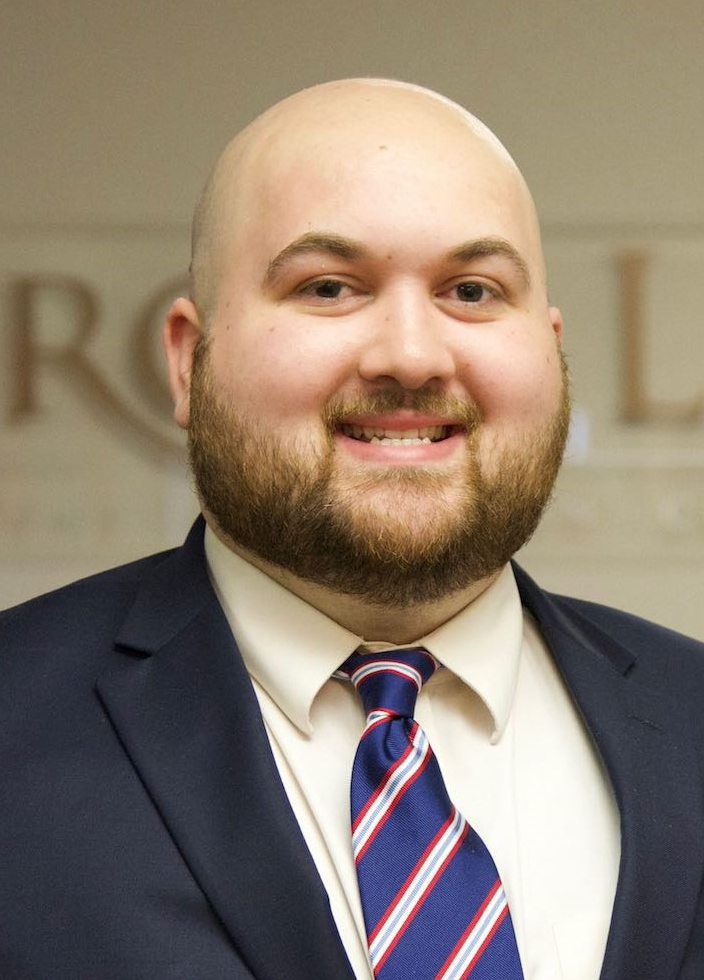
 April marks the beginning of Ramadan for Muslims around the world. As a member of the VTLA Diversity and Inclusion Alliance, and a Muslim himself, Rakin Hamad of Curcio Law in Alexandria has put together some great information on what Ramadan is and how it impacts Muslims across the world.
What is Ramadan?
Ramadan is the holy month for Muslims. During Ramadan, Muslims fast every day of the month. Fasting is one of the five pillars of Islam. The five pillars of Islam are considered the essential obligations a Muslim has. People of all faiths participate in fasting as part of their religion, but there are a couple things that make fasting during Ramadan unique.
First, during Ramadan, a fasting individual does not put anything in their body from dawn to sunset. This means no water, no food, no coffee, no gum, no cigarettes, no sexual activity, or anything else from dawn to sunset. This year, in Virginia, an individual will fast from 5:36 a.m. to 7:33 p.m. These times will change as the month progresses as every day the dawn gets earlier and the sunset gets later. For example, on the last day of Ramadan, Muslims will fast from 4:48 a.m. to 8:01 p.m.
While this may sound miserable, Ramadan is also a time of celebration for Muslims. On most nights, Muslims will have big dinners with their families, friends, and community members in celebration of completing the fast for that day.
Another unique part of Ramadan is the time. While Ramadan lasts 30 days every year, it does not always occur in April. Ramadan is based on the lunar calendar, which is different from the standard 365-day Gregorian calendar. This means that Ramadan starts roughly 10 days earlier every year. For example, next year, Ramadan will start in mid-March.
Why do Muslims Participate in Ramadan?
Fasting during Ramadan serves multiple purposes for Muslims. The first purpose of Ramadan is to help individuals empathize and have more compassion for the impoverished. Another pillar of Islam is zakat, which means to donate to those in need. Fasting helps remind Muslims of why they should donate to those less fortunate than themselves. In addition to the reminder of how the less fortunate feel, another purpose of fasting is to develop appreciation for all that you have been blessed with.
Fasting is also a way to develop discipline. Fasting is seen as a way to develop control of an individual’s desires and to help individuals abstain from sin. The thinking is if an individual can stop themselves from eating and drinking every day for 30 days, then they will be able to stop themselves from participating in immoral activity.
How Do I Be Mindful of Muslims During Ramadan?
There are a couple of things that people can do to help support fasting Muslims. First, if you know someone is fasting, abstaining from eating, drinking, or chewing gum in front of them can help them complete their fast. In Arabic countries, eating or drinking in front of a fasting individual is considered extremely disrespectful. Depending on the individual’s acclimation in the United States, you could be disrespecting someone with a normally gracious act. For example, something as simple as meeting with a Muslim client and offering tea or coffee should be reconsidered during Ramadan. Most Muslims will not take offense to this, but simply asking whether the individual is fasting first would make a big difference to that individual and would signal an understanding of that client’s religion.
Some other ways to be mindful of Muslims during Ramadan is to participate in a fast for a day, invite fasting individuals over for dinner and to break fast with them, and to donate to charities or participate in volunteer acts that help the less fortunate. These are the type of acts that show Muslims that you understand the purposes of Ramadan.

.jpg)